
Prompt Writing: The Skill Most People Overlook
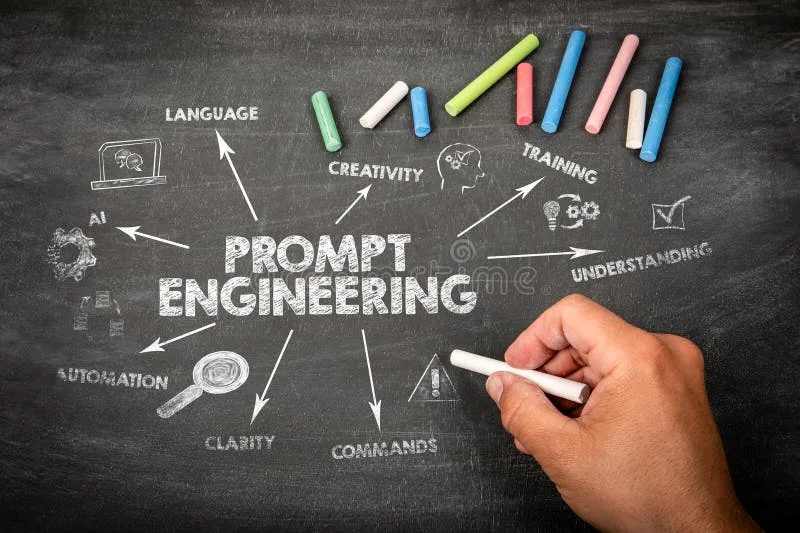
Prompt writing is a real skill — one that many people, even professionals, don’t take seriously enough.
But if we look closer, a good prompt simply means:
👉 Getting a high-quality result, in less time.
Here are a few simple but powerful tips that can completely change how you work with AI tools:
1. Treat AI like a new team member.
Imagine you’re talking to a junior employee who just joined your team. You wouldn’t just say “do this task” — you’d explain what needs to be done, step by step.
Example: “Solve problem A in the simplest way possible so it’s easy to understand — but try to use some creative approaches too.”
2. Know your final goal and specify the expected output.
Tell the AI exactly what kind of result you’re aiming for. This makes the output more precise and useful.
Example: “Create a table summarizing sales data with columns for date, product, quantity, and total revenue.”
Or: “Write a 500-word article with an introduction, main body, and conclusion.”
3. Provide examples or references.
Giving the AI a clear reference can work like magic.
Example: “Before answering my question, read this Laravel documentation: [link]. Then respond based on that.”
4. Use the “Chain of Thought” approach.
Ask the AI to think step-by-step instead of jumping straight to the final answer.
Example: “I want to develop a new module. First, write a 10-step plan. Then go through each step one by one — I’ll approve each stage before we move on.”
This method dramatically improves both quality and accuracy.
5. Assign a role to the AI.
This is one of my personal favorites — it helps the AI think from a specific perspective.
Example: “Imagine you’re a senior software engineer and system architect. Explain the architecture of this software in 7 short steps.”
Or take it up a notch:
“You have two personas: Steve Jobs and Elon Musk. I’ll present an idea, and I want you to evaluate it from both perspectives — market potential, innovation level, and possible risks.”
This gives you richer, more well-rounded insights.
Final Thoughts
Prompt writing is not just about asking questions — it’s about guiding the AI to think the right way.
When you’re clear, structured, and step-by-step in your communication, you save time and get far better results.
So start experimenting. Try your own prompts, see what works, and share what you learn — because the more we practice, the smarter both we and our tools become.